

ERP implementer: what are their roles and how to choose one?

ERP systems have become, in recent years, the best way to build an accurate, productive relationship with customers, as these systems are designed to connect all of the organization's departments and to manage customer-facing operations correctly and precisely.
This software did not simply "fall from the sky". ERP implementation is carried out by information systems implementers and ERP implementers, who work to match every organization, small or large, with the software best suited to the continuous, efficient management of the business.
So what is an ERP system, exactly?
If you are asking yourself what ERP implementation systems or ERP software are, it is important to understand that these systems are built to manage different components while synchronizing existing software, such as planning components linked to software like Priority and others. An ERP system that gathers customer information can manage and include everything the organization needs, and enable synchronized management of financial reports, consolidated reports, accounting software, invoices and receipts, procurement management and more.
With an ERP implementation, customer relationship management can be performed by synchronizing with a CRM system, which interfaces between different management software and provides efficient, complete management of the organization.

To do this, an ERP implementer is required for the successful implementation of ERP systems
This creates full synchronization between systems such as Priority and the ERP system, giving managers and employees effective management tools suited to every role.
From those who manage customer service to administrative staff, suppliers, procurement managers, service representatives and more.

What is the role of an ERP implementer?
If you have wondered what an information systems implementer does, know that the role of an ERP implementer is not just to make sure the system works, but to turn it into a strategic tool that streamlines the organization's operations. The ERP implementer is responsible for deploying the ERP system, adapting it to the company's unique business needs, and improving work processes through advanced technological solutions. To do so, they must understand the organization's structure in depth, identify the business challenges and translate them into practical solutions in the system.
An information systems implementer acts as a bridge between the business and technology sides – identifying the requirements of different departments, defining processes in the system, developing custom reports, setting user permissions and sometimes even writing basic code for special customizations. In addition, they train the organization's employees, support them during the deployment stage, and make sure the system is used to its full potential.
How much does an ERP implementer earn?
An ERP implementer's salary varies according to experience, area of specialization and the size of the company that employs them:
- A junior implementer (0-2 years of experience) can earn between NIS 12,000 and NIS 18,000 per month.
- An implementer with mid-level experience (2-5 years) is expected to earn in the range of NIS 18,000-25,000.
- A senior implementer (5+ years of experience) can reach a salary of NIS 25,000-35,000 and even more, especially if they specialize in leading ERP systems such as Priority, SAP or Oracle.
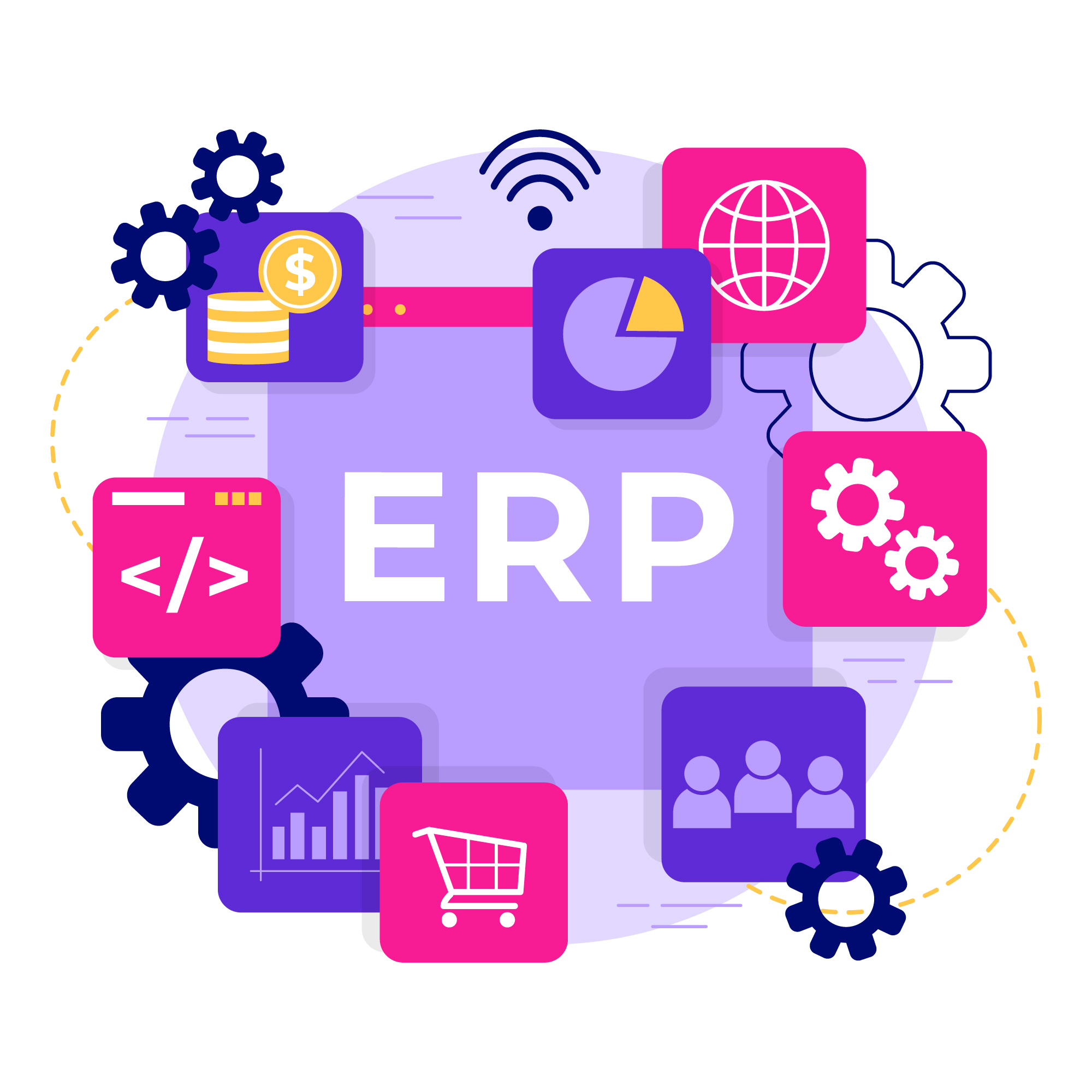 At Rotlein we provide a range of services, including:
- Customer relationship management using software such as CRM and similar tools
- Adapting systems to manage supply chains more efficiently.
- ERP implementer / ERP software implementation according to the business's requirements.
- Synchronization between inventory management, office management and more.
- More efficient management of executive reports, from anywhere.
- Adapting the computerized work environment to the needs of the organization and the business.
- Adapting more convenient customer payment methods for the organization.
- Synchronizing accounting software with the work environment.
- Available customer service.
- Carrying out custom adaptations.
Through an initial, precise analysis of the organization's needs, we can carry out a high-quality ERP implementation for you – setting up and adapting the system and software in a more efficient and practical way, and providing high-quality ERP solutions. Contact us today and we will be happy to help!
Questions and answers about the role of an ERP implementer and choosing an information systems implementer
1. What is the main role of an ERP implementer, according to the Rotlein website?
Answer: The role of the ERP implementer is to turn the system into a strategic tool that streamlines the organization's operations. They are responsible for deploying the system, adapting it to the company's unique business needs, and improving work processes through technological solutions. They serve as a bridge between the business side and the technology side.
2. What concrete tasks does the implementer perform in the organization?
Answer: The implementer identifies requirements from different departments, defines processes and user permissions, develops custom reports, and sometimes even writes basic code for special customizations. In addition, they train employees and accompany them during the deployment stage to ensure the system is used to its fullest.
3. What is the average salary range for an ERP implementer, by professional experience?
Answer: Salary varies by experience: a junior implementer (up to two years) earns between NIS 12,000 and NIS 18,000; an implementer with mid-level experience (2-5 years) earns between NIS 18,000 and NIS 25,000; and a senior implementer (over 5 years) can reach a salary of NIS 25,000 to NIS 35,000 and even more.
4. What specific services do Rotlein's ERP implementers offer?
Answer: The services include customer relationship management (CRM), adapting systems for supply chain and inventory management, synchronizing accounting software with the work environment, creating efficient executive reports, adapting more convenient payment methods, and carrying out an initial, precise analysis of the organization's needs.
5. How does an ERP system contribute to customer relationships and internal management?
Answer: The system creates an accurate, productive relationship with customers by managing customer-facing operations correctly. At the same time, it connects all of the organization's departments (service, administration, procurement, finance) and enables synchronized management of reports, invoices and inventory.
Read about more of our services: